
Tech Shaping Tomorrow
Feb 12, 2026
Technology Trends
From artificial intelligence to spatial computing, the technologies emerging today will define how humanity lives, works, and connects for the next century. Here's what to watch.



Intelligence
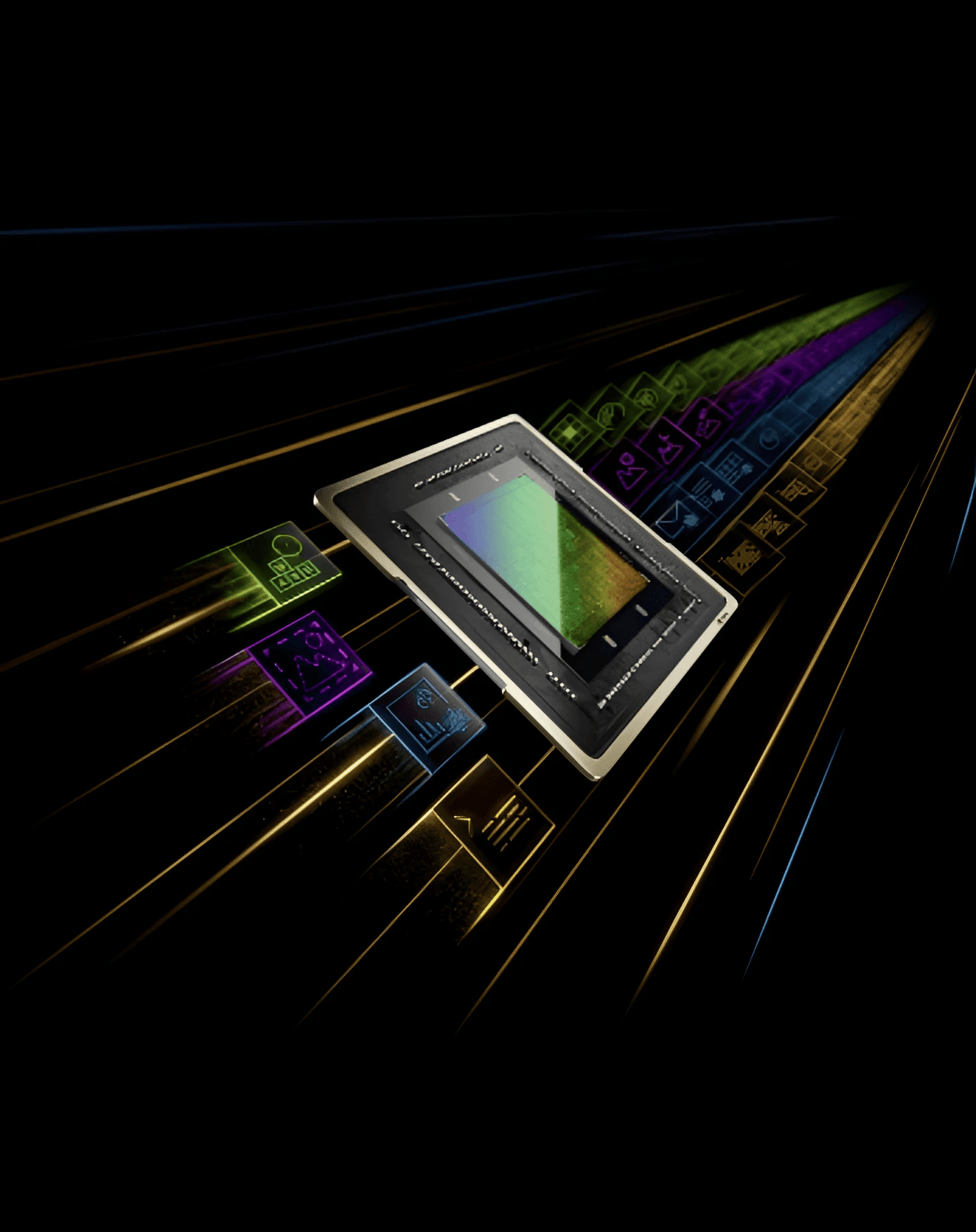
Artificial intelligence is not the future of technology — it is already the present, reshaping every industry simultaneously.
AI has moved from research labs to everyday life with a speed that has surprised even its creators. It writes code, diagnoses diseases, generates marketing campaigns, manages supply chains, and tutors students — often better than human specialists. The question is no longer whether AI will transform your industry — it already has, or it will within the next three years. The businesses and individuals who treat AI as a tool to amplify their capabilities will gain an insurmountable advantage over those still debating whether to take it seriously.
Spatial
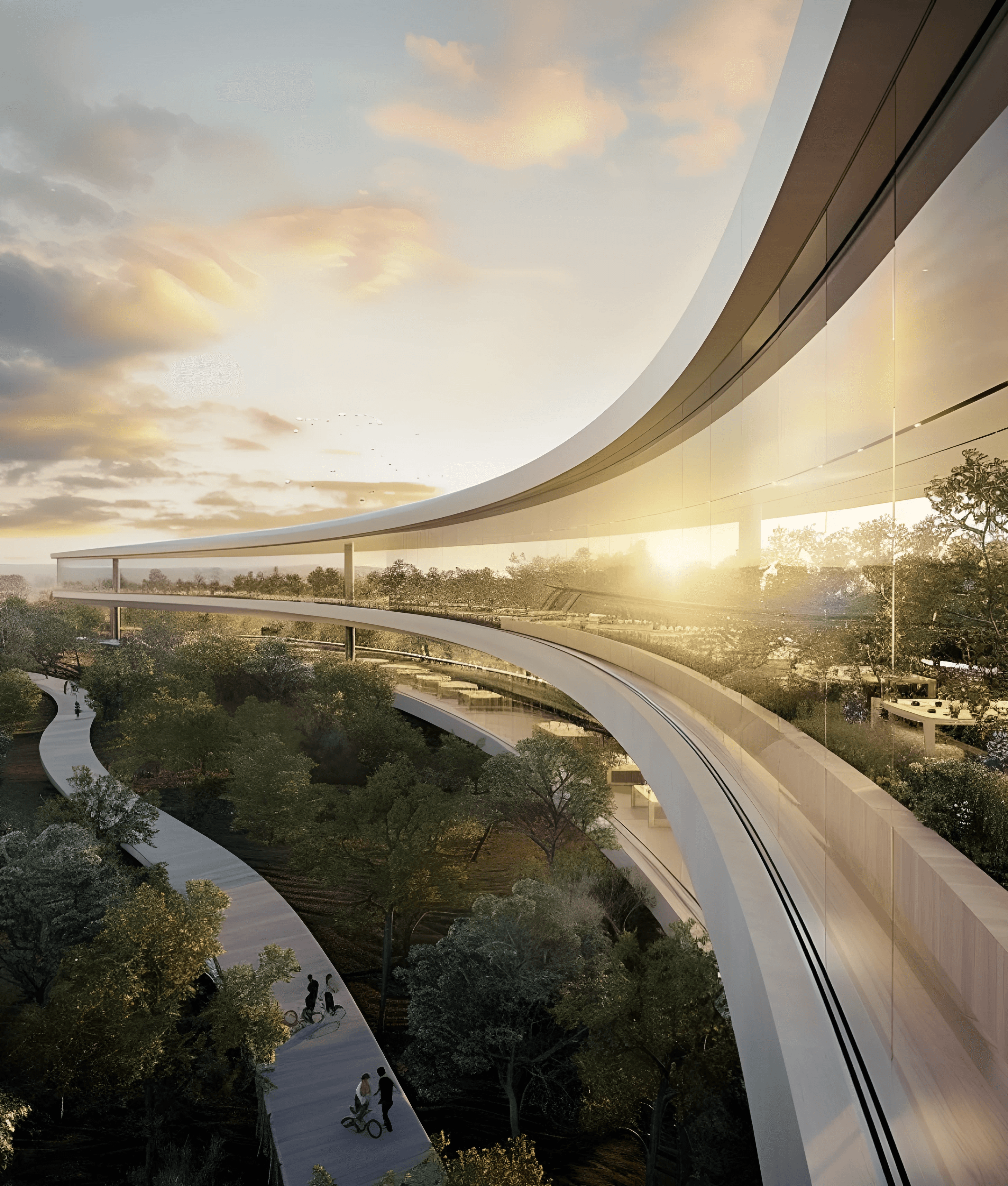
The screen is no longer the final canvas — spatial computing is opening an entirely new physical dimension for digital experience.
We have been staring at flat screens for half a century. Spatial computing is about to end that era. Augmented reality, virtual reality, and mixed reality devices are making digital information three-dimensional, contextual, and physically present in our environment. Industries from surgery to architecture to education are discovering that immersive experiences don't just engage differently — they perform differently, with measurably better retention, precision, and outcomes. The spatial computing market is still early, but the trajectory is undeniable and accelerating rapidly.

Tomorrow
The technologies converging right now — AI, spatial computing, biotech, and clean energy — will produce the most significant decade of human progress in history.
What makes this moment in technology extraordinary is not any single breakthrough — it is the convergence of multiple breakthrough technologies happening simultaneously. AI is accelerating drug discovery. Renewable energy is becoming the cheapest energy ever produced. Spatial computing is creating new interfaces for human-machine interaction. Gene editing is opening possibilities in medicine that once belonged only to science fiction. The entrepreneurs, creators, and thinkers who understand how these technologies intersect will not just observe the future — they will build it.